One of the most effective marketing approaches for local businesses is to earn more and better reviews on your Google Business Profile (formerly called Google My Business), the free listing that shows your business on Google Search and Maps. Good reviews help most, and there are honest, allowed ways to encourage happy customers to write them.
If your Google reviews aren’t showing, the most common reason is that Google removed them for breaking its policies, for example as spam. Google’s help page on missing reviews also explains that new reviews are checked before they appear, which can take a few days. If genuine reviews are still missing after that, contact Google Business Profile support.
How does Google local search work?
Google local search shows nearby businesses that match what someone is searching for, ranked mainly on relevance, distance and how well known each business is.
Google wants to show the most useful local businesses on its search engine results pages (SERPs), so you need to target the words and phrases customers actually type when they look for a business like yours. These words and phrases are called keywords. Local searches might include keywords like “electronics stores near me” or “Kenosha restaurants.”
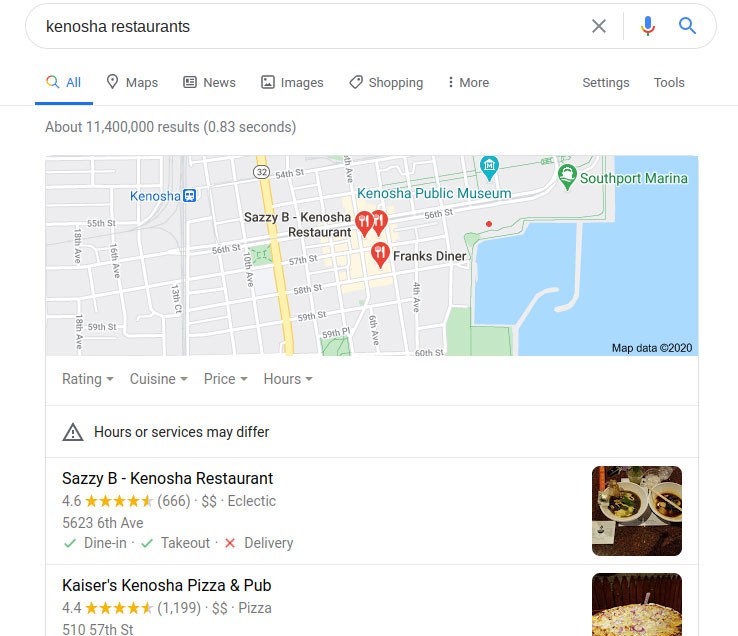
The first step in making your website more visible in organic, local searches is to optimize for Google, because Google handles about 90 percent of all searches worldwide (89.94 percent in September 2026, according to StatCounter). Your Google Business Profile is free, and it makes it more likely that Google will include your business in local SERPs.
How do you get a Google Business Profile?
Your Google Business Profile works like a free ad, and it includes lots of information about your business that helps Google recommend it in relevant searches. Getting a profile is easy. According to Google’s guide to adding or claiming a Business Profile, you can add your business with the following steps:
- Sign in to your Google Account, or create one, ideally with your business email address.
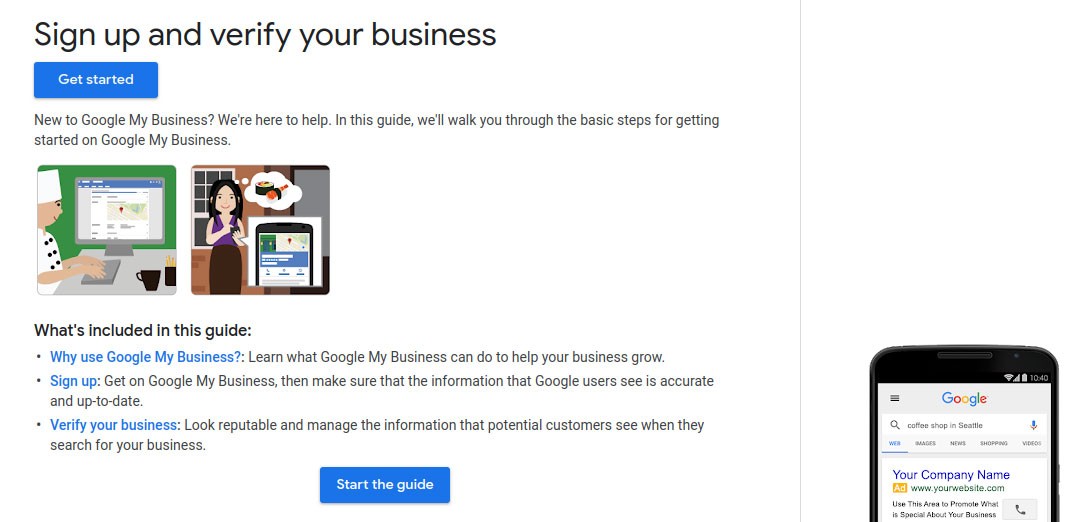
- Fill out the business profile information address, phone number and other particulars.
- Choose whether you want your address to appear on Google Maps, which is highly recommended for local searches.
- If you serve customers, you can list the services you provide.
- If you deliver products or provide in-home service, check the appropriate box.
- If you provide other services outside the business address, list them.
- List your service areas.
- Choose a way to verify your information.
- Follow the instructions to claim and verify your Google Business Profile.
- Once your profile is verified, sign in to the same Google Account to read and reply to your reviews.
If you’re not authorized, or your information is incorrect, Google won’t verify the profile until it has an authorized, accurate listing. You can also postpone verification until later. However, until your profile is verified, you can’t manage your business information or reply to reviews. You might receive a warning that the profile is already claimed. For example, the previous owner of the business might not have removed the listing for that address. Follow Google’s directions for requesting ownership.
You can add other information about your business, including photos and videos. Google suggests using photos and videos to show customers what you offer and tell the story of your business. Google also lets you add many other details about your business. For example:
What criteria does Google use to rank local results?
Google’s formula for ranking local searches is no big secret. Google says local results are mainly based on relevance, distance and prominence, and that more reviews and positive ratings can help your business’s local ranking. Any business can improve its local ranking, but many never optimize their Business Profile, the most important free tool for winning local customers from online searches.
Local searches matter because people seldom use yellow page directories these days, and many check online whether a shop is open and carries what they need before they visit. Busy customers want quick answers, so make things easy for them if you want to land their business.
How do you optimize your Google reviews?
You optimize your Google reviews by verifying your Business Profile, asking every customer for honest feedback, and replying to every review quickly and politely.
Review management is a bit tricky. Anyone signed in to a Google Account can leave a review on Google Maps (anonymous reviews aren’t allowed), so any business can be reviewed at any time, even one that hasn’t claimed its profile. However, you must verify your business before you can reply to reviews. Once your profile is verified, sign in to your Business Profile to manage your reviews.
How do you manage your reviews?
To manage your reviews, sign in to the Google Account you use for your Business Profile, go to your profile and select Read reviews, where you can read each review and reply to it. If you manage several locations, choose the location first.
Reading and responding to reviews are the most important steps to optimizing your listing and attracting other reviewers. Reviews aren’t just pats on the back or complaints; reviews show you things about your business that you might miss, such as exceptional or poor customer service. Ideally you want to encourage all reviews, even bad ones, and show customers that you care enough to try to make things right if there’s a problem.
After reading a review, you get a prompt to answer the review. You can use a boilerplate response to give you more time to investigate any complaints. It’s important to follow up on each review, and you should thank customers who write favorable reviews.
Google doesn’t copy your Google reviews to other review sites. Customers review businesses separately on many other platforms, so follow each site’s own rules for encouraging reviews on the sites that matter to your customers. Some of the top review sites include:
- Yelp
- Amazon
- Citysearch
- Consumer Reports
- HomeAdvisor
- Angi (formerly Angie’s List)
- Better Business Bureau
- Bing Places
- Tripadvisor
- Foursquare
- Glassdoor (for reviews from employees)
- Manta
- Merchant Circle
- OpenTable
Is there a Google Business Profile app?
No. Google retired the separate Google My Business app, so you now manage your Business Profile in the Google Maps app or directly in Google Search.
On your phone, Google explains how to edit your Business Profile with the Google Maps app: open the app, tap Business, then tap Edit profile. From there you can update your details, add photos and read and reply to your Google reviews from anywhere.
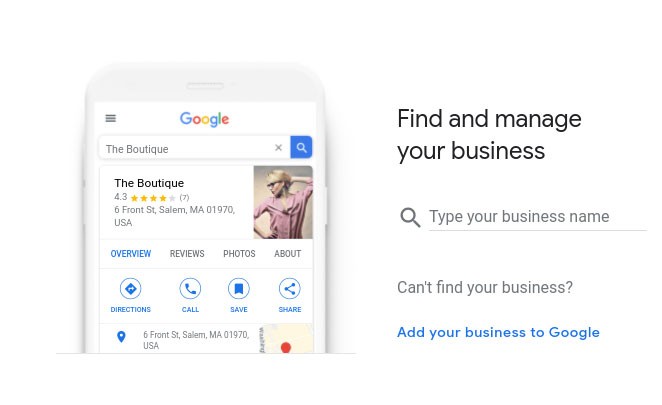
Managing your profile from your phone is handy for posting new photos and finding out what your customers really think about your business. You can read Google reviews in spare moments and reply faster, which keeps customers happy with your quick customer service.
How do you get more reviews on Google and other review sites?
The best way to get more reviews is to ask every customer, make leaving one easy with a direct link or QR code, and never offer anything in exchange.
If you want reviews, it helps to ask for them. You can include a short message on all marketing communications, website pages and social pages asking people to review their experience, and inviting them to bring any complaints directly to customer service. Ask every customer, not just the happy ones: Google’s review policies don’t allow businesses to selectively ask only satisfied customers for reviews or to discourage negative ones. Other best practices to optimize reviews about your business include:
- Remind Customers
Remind your customers to write a review in CTAs in marketing messages, website content, in-person reminders, etc. Tell your customers how to leave Google reviews using the following steps:- Sign into Google Maps.
- Click on a business location that you’ve visited.
- Write a review of your experience.
- Never Offer Incentives for Reviews
Don’t offer discounts, free products, gifts or anything else in exchange for a review, even an honest or negative one. Google treats incentives for reviews as fake engagement and strictly prohibits them, and it can remove reviews posted because of an incentive. Instead, make reviewing easy: Google lets you create a review request link or QR code from your Business Profile to add to receipts, thank-you emails or a sign in your store. - Reply Promptly to Reviews
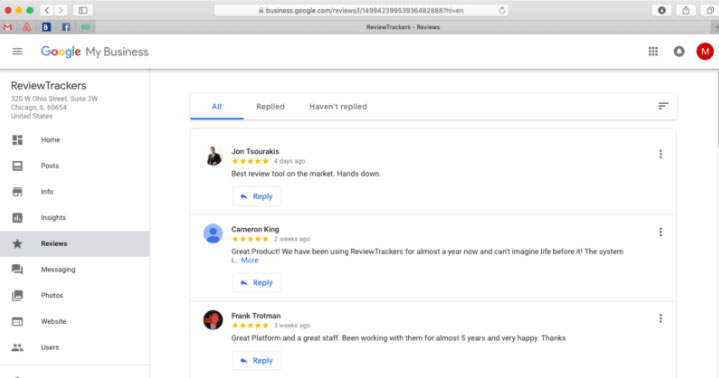
Replying promptly to all reviews shows customers you value their feedback and impresses people who read the reviews and your replies. Here is what the reviews tab looks like in your Google Business Profile:
- Monitor the Internet for Reviews
If you want to find reviews on other sites, it’s necessary to monitor the internet for reviews of your business. You can set Google alerts when your business name is mentioned online. - Keep Information Up-to-Date
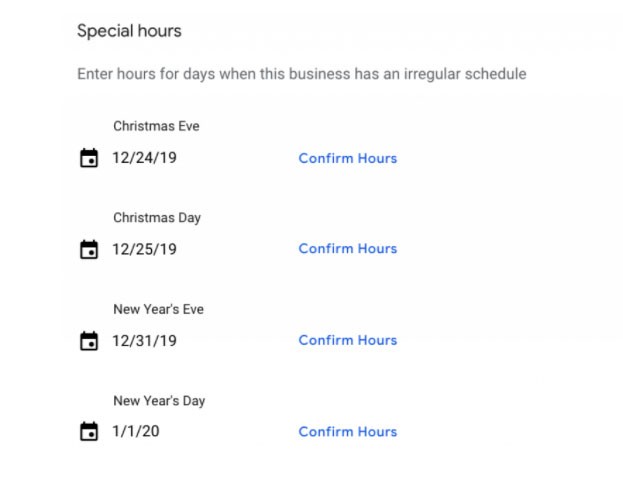
It’s important to keep your information up-to-date, add seasonal photos and/or hours and mention any special events you’re celebrating.
- Use QR Codes
Posting QR codes in advertising, cash register receipts and website copy makes it easy for people on mobile phones to scan the site and link to a review site, web page or product description. - Ask for Testimonials
You can’t publish private praise, such as a glowing email from a customer, without the writer’s permission. Ask people who say nice things about your business whether you can use the information as a testimonial, which can encourage other testimonials and reviews.
How should you respond to negative reviews?
Respond to a negative review quickly and politely in public, look into the complaint, and offer a fair fix without arguing with the customer.
Responding to every review is difficult if you get a lot of them, but you can find ready-made templates for review responses from many online sources. You can also write your own templates for the most common situations. The best practices for responding to complaints include:
- Carefully study the review, and investigate the complaint internally.
- Respond immediately to let the reviewer know that you’re investigating the complaint.
- Respond publicly on the review platform by explaining why the problem occurred, and admit to any errors on the part of the business.
- Ask questions if the details aren’t clear.
- Empathize with the customer whether you’re in the right or made a mistake.
- Offer solutions to make the situation better, such as replacing a faulty product, providing a free meal, giving the customer a free tune-up, etc.
- Don’t be faceless: sign your name and title to your response.
- After making amends, you can ask the customer whether they’d consider updating the review, but never make your fix depend on it.
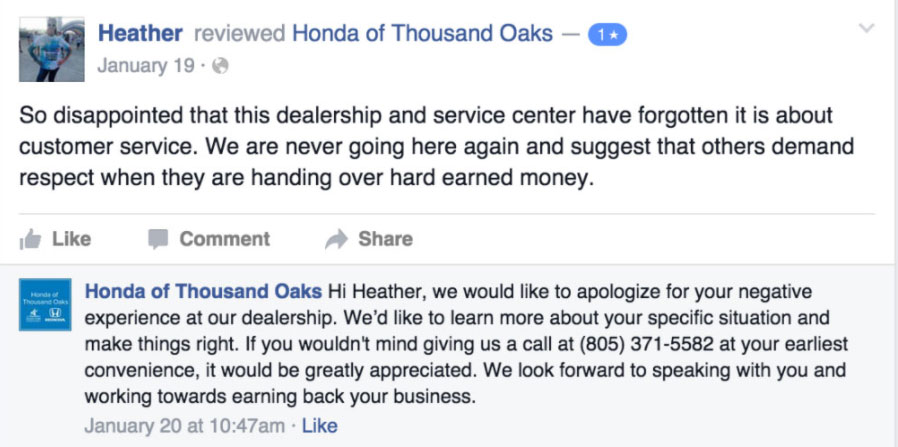
Here is an example of a negative review handled professionally and courteously:
What are the benefits of reviews for your business?
Reviews build trust with new customers, give you honest feedback, and can help your business show up higher in Google’s local results.
Getting reviews on Google and other websites is more important than you think. Social media users and people browsing for local information often turn to reviews to decide whether to visit. Reviews can generate steady business and provide these benefits:
- Build your online reputation
- Brand a new product or product line
- Better response from prospective customers, because reviews come from real customers
- Social proof and star ratings to simplify online research
- Better visibility in local search results
- Higher click-through rates on links, paid ads and organic SERP results
- Improved conversion rates on landing pages
- Feedback to improve your business
- Expansion of online conversations about your business
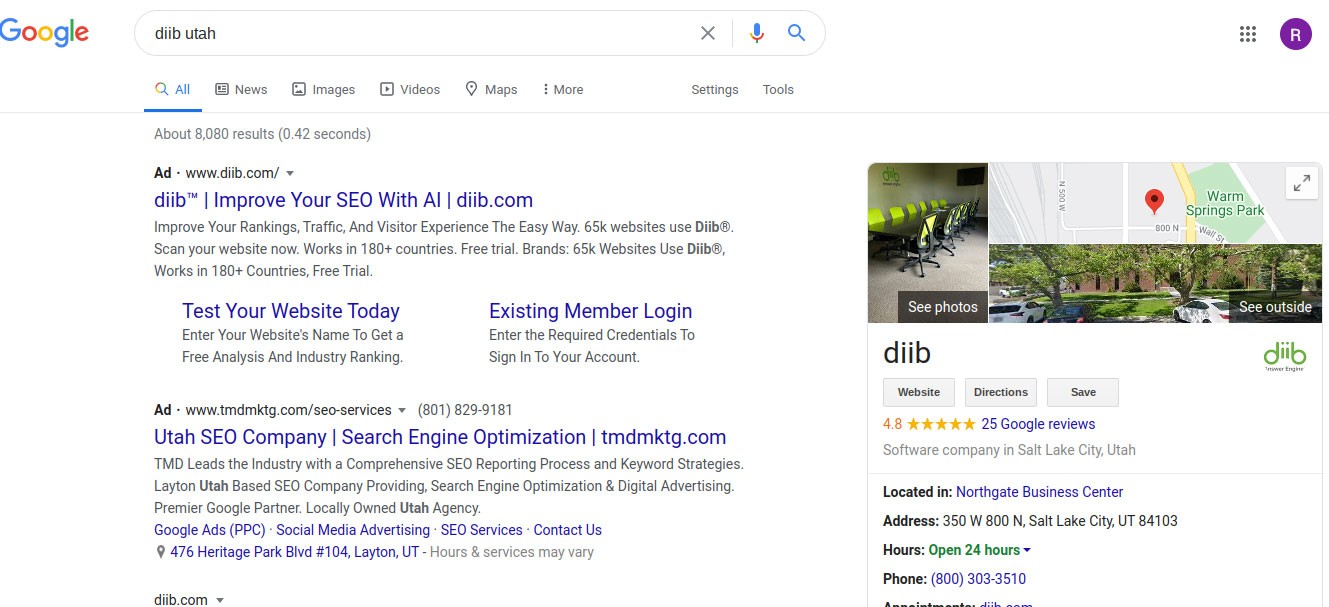
Reviews can make your business appear more trustworthy to new customers who don’t know anything about you. Reviews and your replies also give you an open channel for two-way communication with your customers. Additionally, your average star rating, from 1 to 5 stars, shows up when your Google Business Profile is displayed. For example:
Why should you reply to every Google review?
Replying to every Google review shows the reviewer, and everyone who reads your profile later, that you value feedback and fix problems.
How you reply can matter more than what the review says. The reviewer can be favorably impressed by your quick response or your offer to make things right if there’s a complaint. Your reply also shows future customers that you work hard to resolve complaints, thank people for favorable reviews and clear up misunderstandings.
Google makes the same point: when you reply to reviews, you show customers that you value their feedback, and the reviewer is notified and can update their review after reading your reply. Showing customers that you care what they think does more for your reputation than any single complaint or compliment.
How do you put it all together to show up in more local searches?
To show up in more local searches, keep your Business Profile complete and current, earn and answer reviews, and use the words local customers actually search for.
Your Google Business Profile opens up many related features of local search, and the right keywords help customers find it. You can test local keywords by running PPC (pay-per-click) ads. You set a budget limit, and with cost-per-click bidding in Google Ads you pay for each click on your ad, not for each time the ad is shown. PPC campaigns are a quick way to learn which local keywords bring in customers.
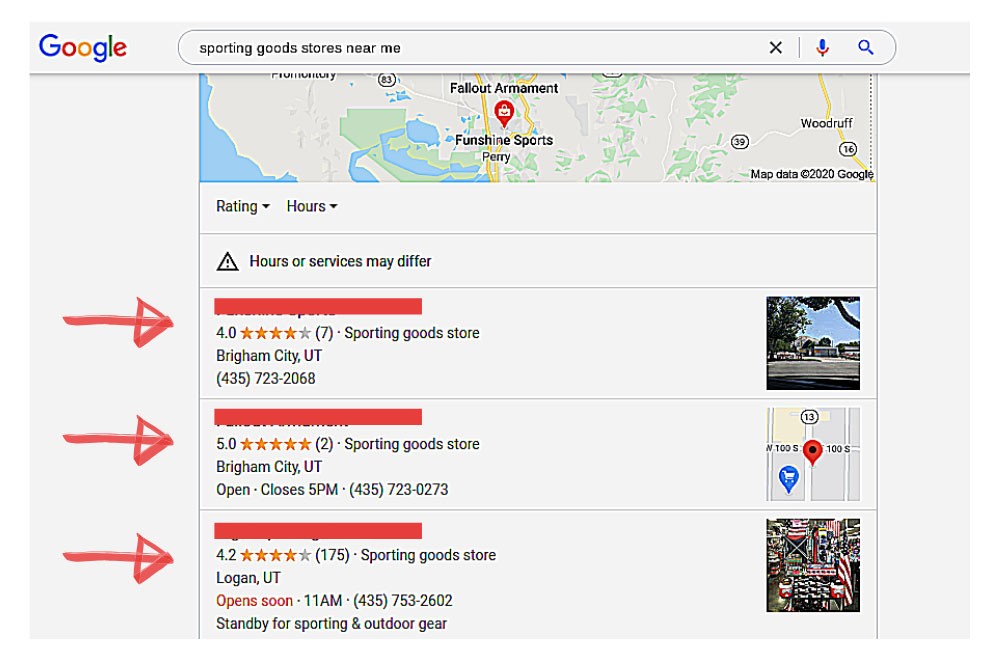
Think about what people want to know when they make local searches. Most local searchers want directions, store hours and the products and services you offer. People also look for other details, such as reviews, online restaurant menus or descriptions, daily specials, images, performance times and information that’s specific to a particular business or industry. You should try to provide that information, make it easy to contact your business and provide clear directions and a Google Map listing to optimize local searches. For example, the top three Business Profile listings in these local results give searchers useful information at a glance:
The best practices for optimizing local searches include:
- Claim your Google listings, and get listed on other local directories.
- Manage your reviews with prompt acknowledgements and quick resolution of complaints.
- Actively encourage customers to write reviews.
- Add schema markup (structured data, a small piece of code that labels your business details for search engines) to your website. Google says local business structured data can help your pages appear in a special search result showing details like hours and reviews.
- Use Business Profile posts, an often overlooked feature, to share updates, offers and events and to answer questions your prospective customers might have, right on your profile.
- Optimize your title and heading tags, meta description, content and other information to include local landmarks, town and community names, attractions, etc.
- Promote your local products and services on social platforms.
How can diib help with your Business Profile and reviews?
diib connects to your website data and points out what to fix, including a missing or incomplete Google Business Profile listing, so you know what to work on next.
Google offers many free resources for local businesses, but many companies never use them. A complete Business Profile with plenty of answered reviews gives people more information when they search for businesses like yours. diib monitors your website and local search health and gives you plain-English recommendations for improving them. Here are a few of the diib features that help with local search and reviews:
- User experience, including your Google reviews
- Bounce rate monitoring, with recommended fixes
- Facebook and Instagram Insights (post clicks, page visits and more) and YouTube video performance
- Broken pages where you have backlinks (404 checker)
- Keyword, backlink, and indexing monitoring and tracking tools
- Core Web Vitals monitoring
- Technical SEO monitoring, including a missing or incomplete Google Business Profile listing
Click here for your free 60-second website scan.
FAQ’s
Yes, a Google Business Profile (formerly Google My Business) is worth it for almost any local business. It is free, and it makes it more likely that Google will include your business in local search results. It also shows customers your address, photos, reviews and star rating, and lets you reply to reviews once it is verified.
To see your Google reviews, sign in to the Google Account you use for your Business Profile, go to your profile and select Read reviews. From there you can read each review and reply to it. On your phone, you can read and reply to your Google reviews in the Google Maps app.
No, you can’t turn off Google reviews. Anyone signed in to a Google Account can leave a review on Google Maps, so any business can be reviewed at any time, even one that hasn’t claimed its Business Profile. The better approach is to ask every customer for honest feedback and reply to every review politely.
No, a Google Business Profile is free to create and manage. You add or claim your business by signing in to a Google Account, filling in your business details and choosing a way to verify the profile. Once it is verified, you can update your business information, add photos and reply to your reviews.
A business owner can’t simply delete a Google review. The person who wrote it can edit or remove it, and Google removes reviews that break its policies, such as spam or reviews posted in exchange for an incentive. If you think a review breaks those policies, you can report it to Google.